
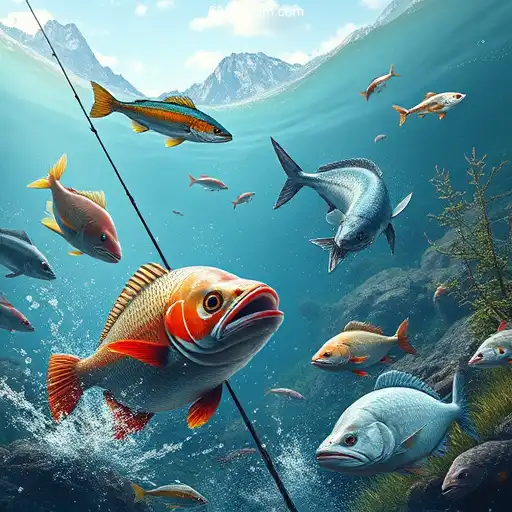

Fishing Games: Dive into a World of Excitement and Challenges
Fishing games have carved out a unique niche within the vast universe of recreational gaming. With advancements in technology and gaming platforms, these games have evolved from simple arcade-style setups to immersive simulations that capture the essence of real-life fishing. The phrase "688BRL - ♥️ Venha se divertir com milhares de jogos e desafios a cada click" encapsulates the thrill and variety offered in this realm, inviting players into a virtual world full of endless possibilities and engaging experiences.
Evolution of Fishing Games
In their early days, fishing games were limited in scope and graphics. The initial games focused on straightforward mechanics where users simply aimed to catch as many fish as possible. As technology advanced, so did these games. The introduction of motion-sensing controllers and virtual reality (VR) technologies have greatly enhanced the realism and excitement.
Modern fishing games now offer intricate details such as varying weather conditions, diverse aquatic ecosystems, and precise re-creations of fishing techniques. Today's games require players to employ strategic thinking and quick reflexes, much like in real-world fishing. The development of multiplayer options has also allowed for competitive and cooperative play, adding a social dimension to the experience.
Immersive Gaming Environments
In many fishing games, the visual environments are meticulously crafted to emulate breathtaking natural landscapes. Players could find themselves on a serene mountain lake, a bustling river, or even deep-sea fishing on the ocean. These detailed surroundings not only offer aesthetic pleasure but also impact gameplay as different species of fish are native to each environment.
Some of the more sophisticated games utilize AI to create dynamic ecosystems where fish behaviors mimic real-life patterns influenced by factors like time of day, water temperature, and player interference. This level of detail creates a challenging yet rewarding experience as players must adapt strategies to successfully catch specific fish types. The inclusion of a virtual narrative or mission system further enriches gameplay, steering players through a variety of challenges and objectives.
Realistic Features and Interactivity
The realism in fishing games has been criticized and celebrated in equal measure. For a game to stand out, it needs to balance authenticity with fun. Realistic fishing mechanics are enhanced by features like realistic reel resistance, bait selection, and line tension, offering a tactile experience through game controllers.
Interactivity is a key factor as players often have the opportunity to customize their fishing gear, choose locations, and even modify environmental settings. These elements of customization not only create personalized experiences but also assist gamers in developing strategic approaches tailored to different challenges they face within the game.
Competitive and Social Aspects
With the rise of online gaming platforms, fishing games have embraced competitive and social elements that significantly boost engagement. Players can participate in online tournaments, compete for leaderboards, and engage in team-based challenges. The social aspect is further amplified as gamers can share their most exciting catches and achievements via social media and gaming forums.
Game developers often incorporate seasons or events where users can collect limited-time rewards or participate in special challenges. These continuous updates keep the community engaged, offering fresh content and new challenges on a regular basis.
Educational Value
Beyond entertainment, fishing games often provide educational insights into marine biology, conservation, and the importance of maintaining fish populations. Many games collaborate with environmental organizations to accurately portray issues like overfishing and pollution, raising awareness among gamers who might be otherwise oblivious to these concerns.
The educational component can be a compelling aspect for both children and adults as they learn about different fish species, habitats, and sustainable practices while enjoying the game. While the primary intent is to entertain, the educational value adds depth and responsibility, aligning fun with informative content.
The Economic Aspect
The fishing games market has witnessed significant growth, attracting a dedicated fanbase and substantial revenues. The financial model often includes in-game purchases for cosmetic items or gameplay advantages, which contribute to a steady stream of income for developers. This model aligns with the message "688BRL - ♥️ Venha se divertir com milhares de jogos e desafios a cada click," implying a wealth of experiences with every interaction.
Game developers often invest heavily in updating and expanding their offerings to keep up with player demand, thus creating a dynamic market that continues to thrive. From indie creators to established gaming giants, the fishing game genre has seen diverse contributions that reflect creativity and innovation.
Conclusion
Fishing games offer far more than just a digital escape; they blend art, strategy, education, and community into captivating experiences. With the inclusion of rich graphics, interactive elements, and educational insights, these games entice players to explore the breadth and depth of virtual fishing.
As technology continues to evolve, fishing games will likely see further innovations, keeping enthusiasts thrilled with new challenges and features. As players cast their lines in these virtual waters, they partake in a journey that reflects both the past's simplicity and the future's complexity. Whether aiming for relaxation or seeking to master skills, fishing games present a rewarding experience that appeals to a broad audience.